
Dinosaur plants you can still see today
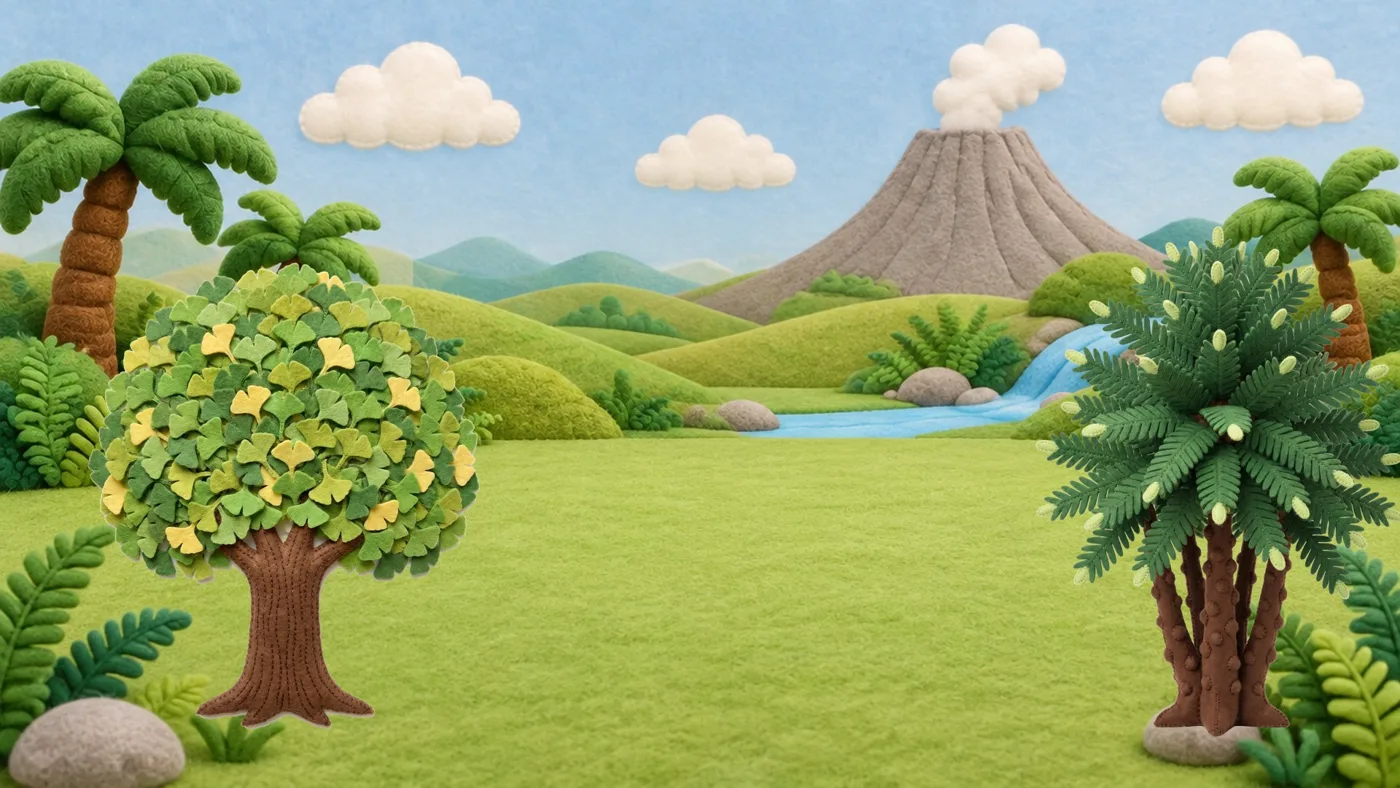
The trees and ferns on our Wriggle Bubs dinosaur set are not made up. Real plants like these grew when dinosaurs were alive, and some of them are still growing today. Can you find one near you?
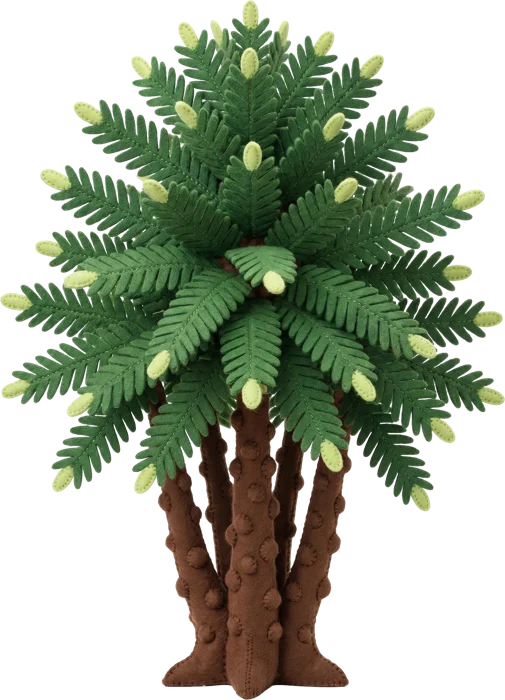
The Wollemi pine
Look for the Wollemi pine on our set: several trunks, bubbly bark that looks a bit like breakfast cereal, and fern-like leaves with bright lime tips.
It is often called the "dinosaur tree". Its family of trees is about 200 million years old, and fossils of the Wollemi pine itself go back about 91 million years.
For a long time people thought it had died out. Then, in 1994, a small group of living trees was found in a hidden rainforest canyon in the Blue Mountains of New South Wales. Fewer than 50 adult trees grow in the wild, so the spot is kept secret to protect them.
Dinosaur dinner: Big plant-eaters like Brachiosaurus probably browsed on tall conifer trees like the Wollemi pine's ancient relatives.
Where to see one: You can see Wollemi pines in botanic gardens across Australia, and many garden centres sell them for pots and gardens.
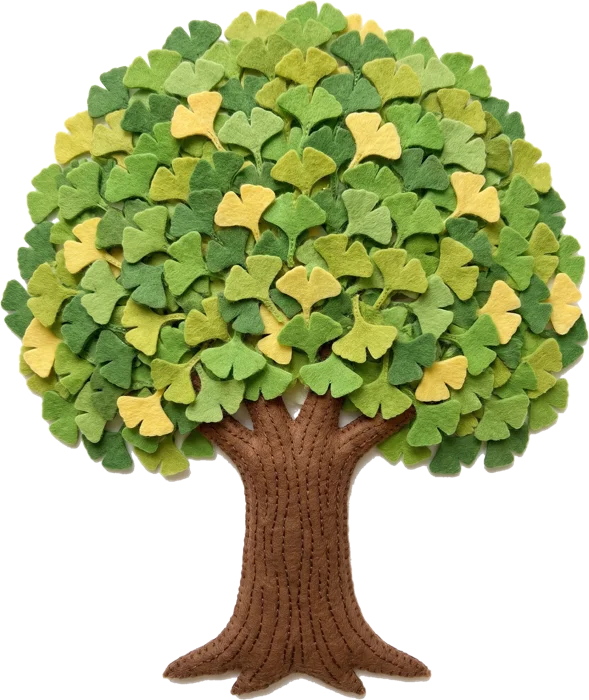
The ginkgo tree
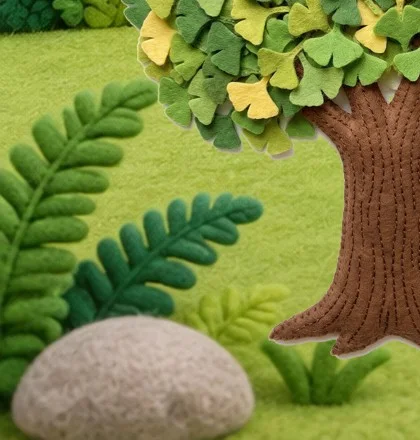
Our felt ginkgo tree is covered in fan-shaped leaves. Real ginkgo leaves look like little fans, and they turn bright golden yellow in autumn before they fall.
Ginkgo trees have a very, very long story. Their ancestors grew about 170 million years ago, in the Jurassic, when Brachiosaurus was around.
Today ginkgos are planted in parks and streets all over the world. In the wild, only a few rare groups may still grow in China.
Dinosaur dinner: Tall plant-eaters may have nibbled ginkgo leaves high in the treetops.
Where to see one: Ginkgos are popular street and garden trees. Look out for their fan-shaped leaves, especially in autumn.
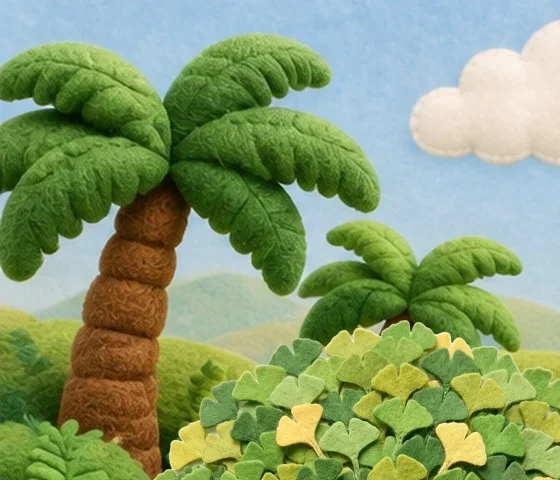
Tree ferns
The tall trees with big leafy tops on our set are tree ferns. They have a thick, hairy trunk and long fronds that uncurl from the middle like a curly snail.
Tree ferns grew in the age of the dinosaurs, and they still grow in Australian rainforests and gullies today. Some grow taller than a house, but they grow very slowly.
Tree ferns do not have flowers or seeds. They make new plants from tiny spores under their leaves.
Dinosaur dinner: Plant-eating dinosaurs could have munched on tree fern fronds.
Where to see one: Tree ferns grow in cool, shady rainforest gullies and botanic gardens, and you can buy them for shady gardens.
Ferns
Look for the little ferns tucked around the rocks and trees on our set.
Ferns are older than the dinosaurs. They have been growing on Earth for more than 350 million years, so the dinosaurs walked through ferns just like we can today.
Ferns grow all around us: in gardens, in parks, in the bush and even in pots on a window sill.
Dinosaur dinner: Low plant-eaters like Triceratops and Stegosaurus probably ate lots of ferns.
Where to see one: Ferns are easy to find. Go on a fern hunt in your garden or local park!
Who ate what?
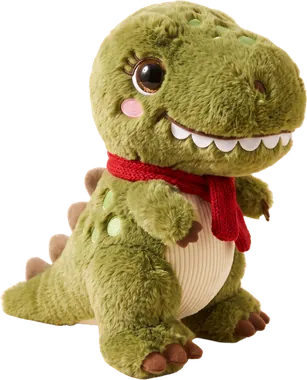
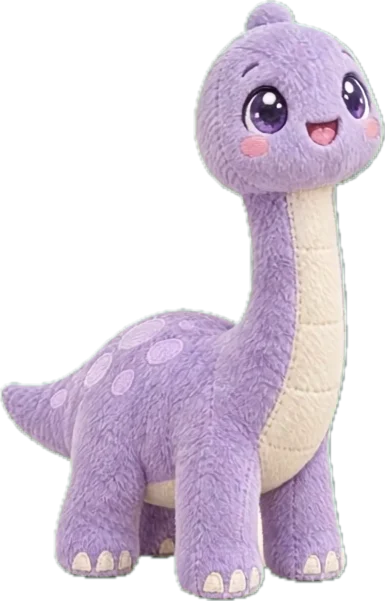
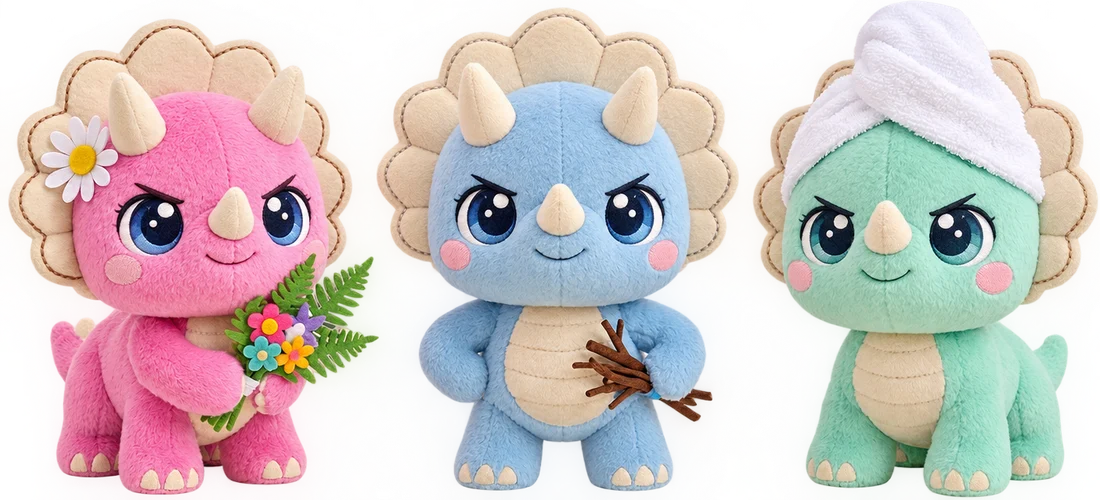
Go on a dinosaur plant hunt together: in the garden, the park or the botanic gardens, with a grown-up nearby.